The Sharks!
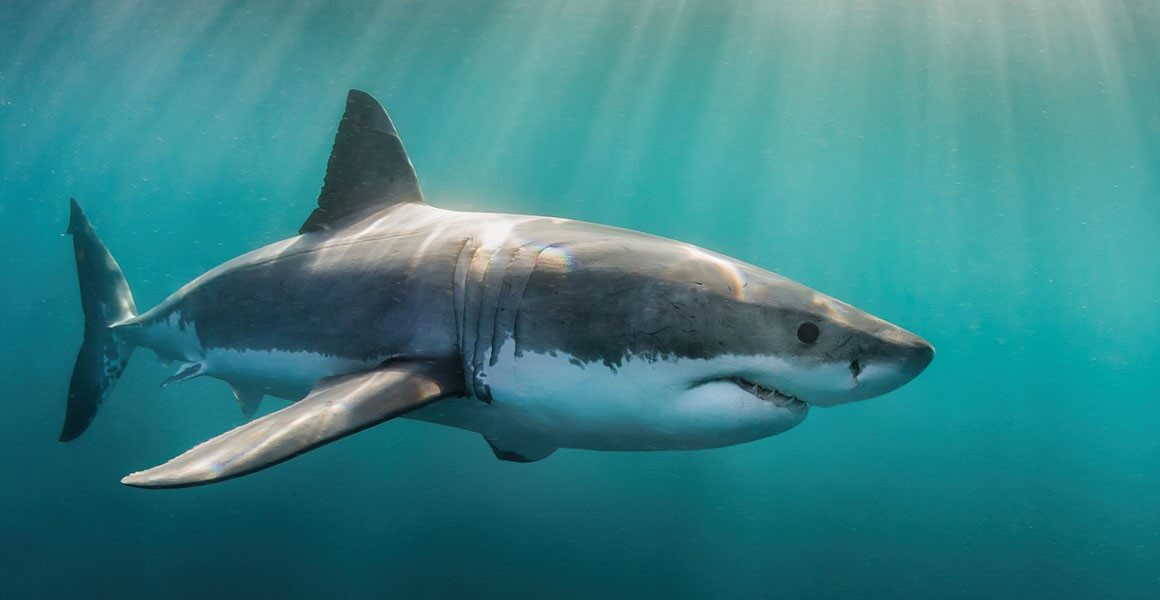 The Great White Shark
Scientific name: Carcharodon carcharias
The first thing to tackle with great white sharks, or white sharks as they are more commonly known by scientists, is the enduring myth that they are dangerous man-eaters. There are far more survivors of white shark bites than there are fatalities.
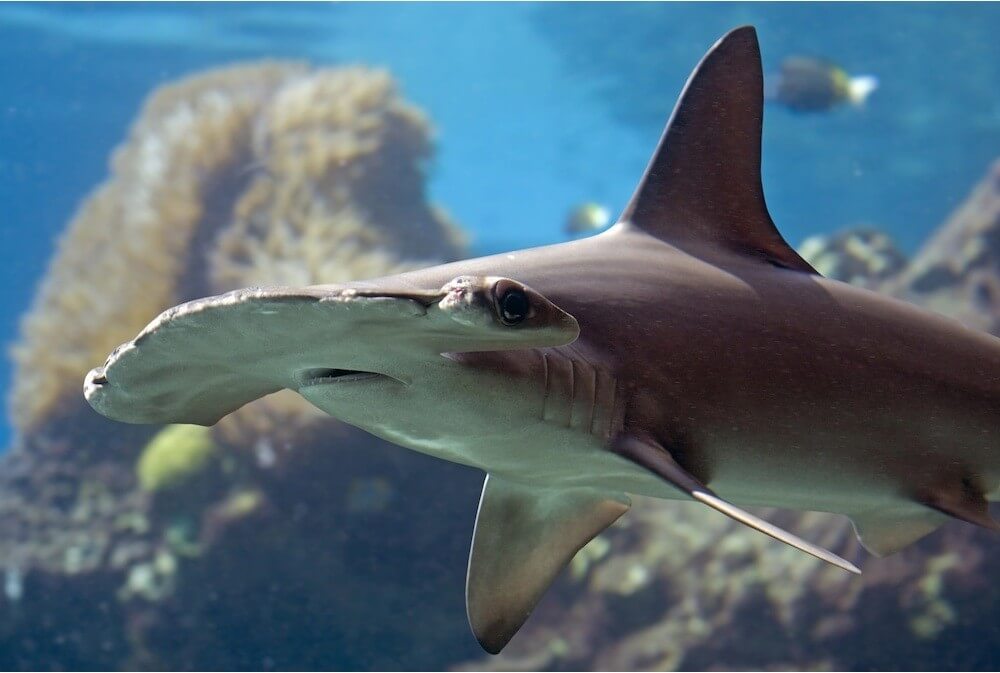 Hammer Head Shark
Hammerhead sharks are found in warm coastal waters and along continental shelves to depths of about 260 feet. There are 9 different species of hammerhead sharks, and all of them have odd shaped heads that look like flattened hammers – hence their name. Great hammerheads have been observed using the sides of their heads to pin down their preferred meal, stingrays, while feeding on the ray’s wings.
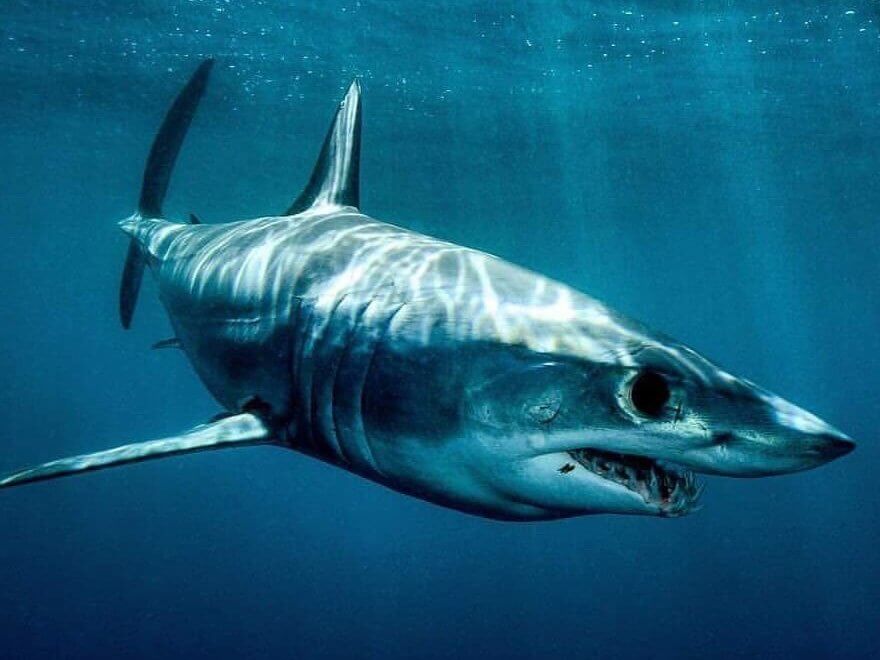 Mako Shark
The Shortfin Mako is believed to be the fastest of all sharks and can be found worldwide in tropical and temperate waters. Despite being primarily an oceanic species, it is considered to be dangerous to people. The Shortfin Mako has been known to attack boats and injure fishers after being hooked. It is known for its incredible leaping ability and can be observed jumping to extreme heights (out of the water) when hunting.
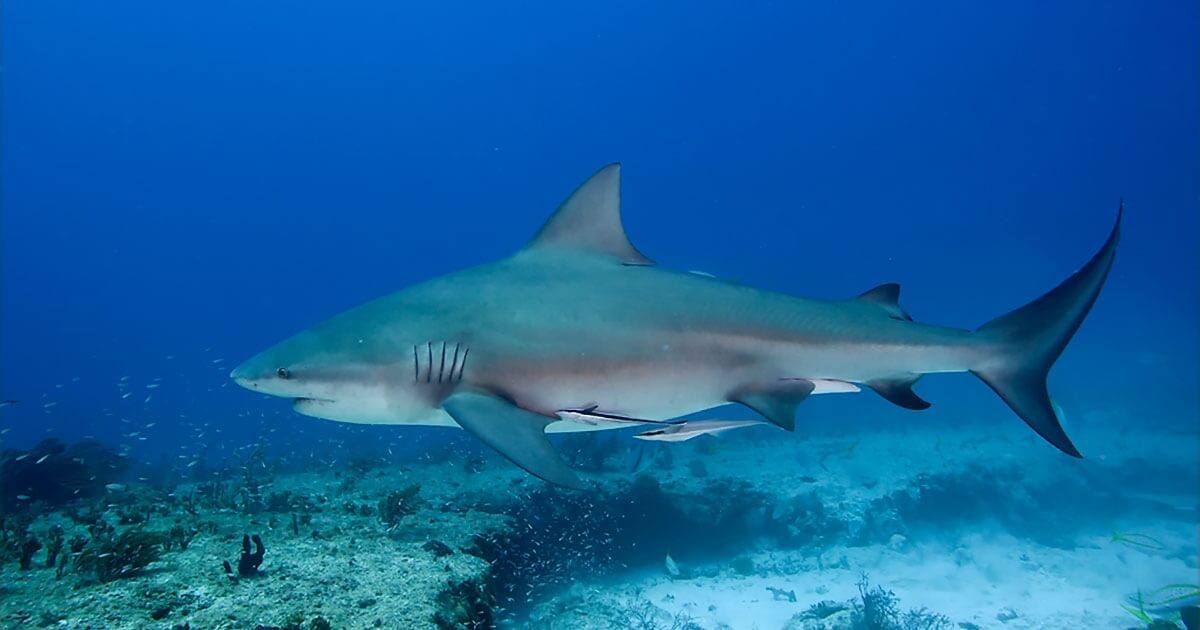 Bull Shark
The bull shark is one of the most aggressive sharks in the world. It is also one of the most common sharks found in coastal waters. The bull shark is a type of requiem shark. Bull sharks can live in salt and fresh water and have been known to travel far up rivers. Bull sharks do not just venture into freshwater for short periods. They travel far upriver in some places (including the Nicaragua River, the Zambezi River, and the Mississippi River) and there is a semi-permanent population in Lake Nicaragua that was thought until recently to be a separate species. They also apparently give birth in freshwater.
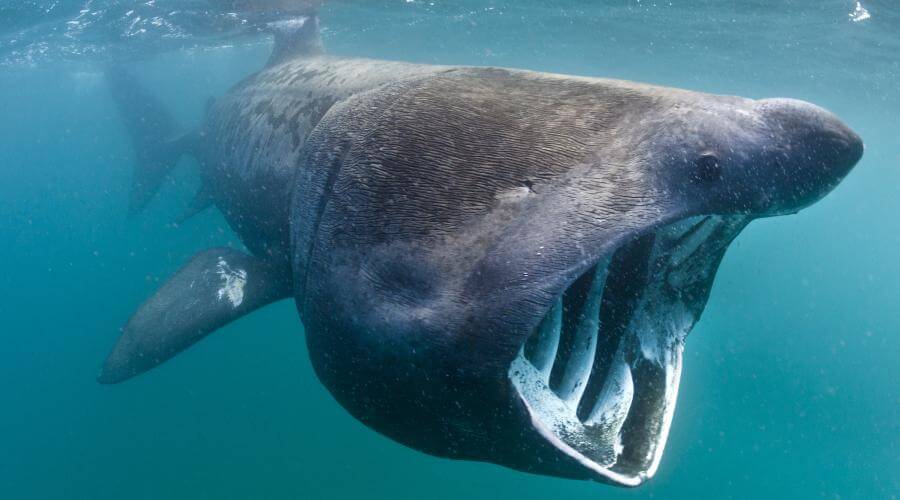 Basking Shark
This slow-moving migratory shark is the second largest fish, growing as long as 40 feet and weighing over 5 tons. It is often sighted swimming close to the surface, huge mouth open, filtering 2,000 tons of seawater per hour over its complicated gills to scoop up zooplankton. Basking sharks are passive and no danger to humans in general, but they are large animals and their skin is extremely rough, so caution is urged during any encounters.